Skip to content

Comfort Scan for Homeowners

Is Your Home Uncomfortable — No Matter What You Do?

Cold rooms. High energy bills. Uneven temperatures. Rodents in the attic. You've tried everything, but nothing works.
 
Here's why: Most insulation companies are guessing.
 
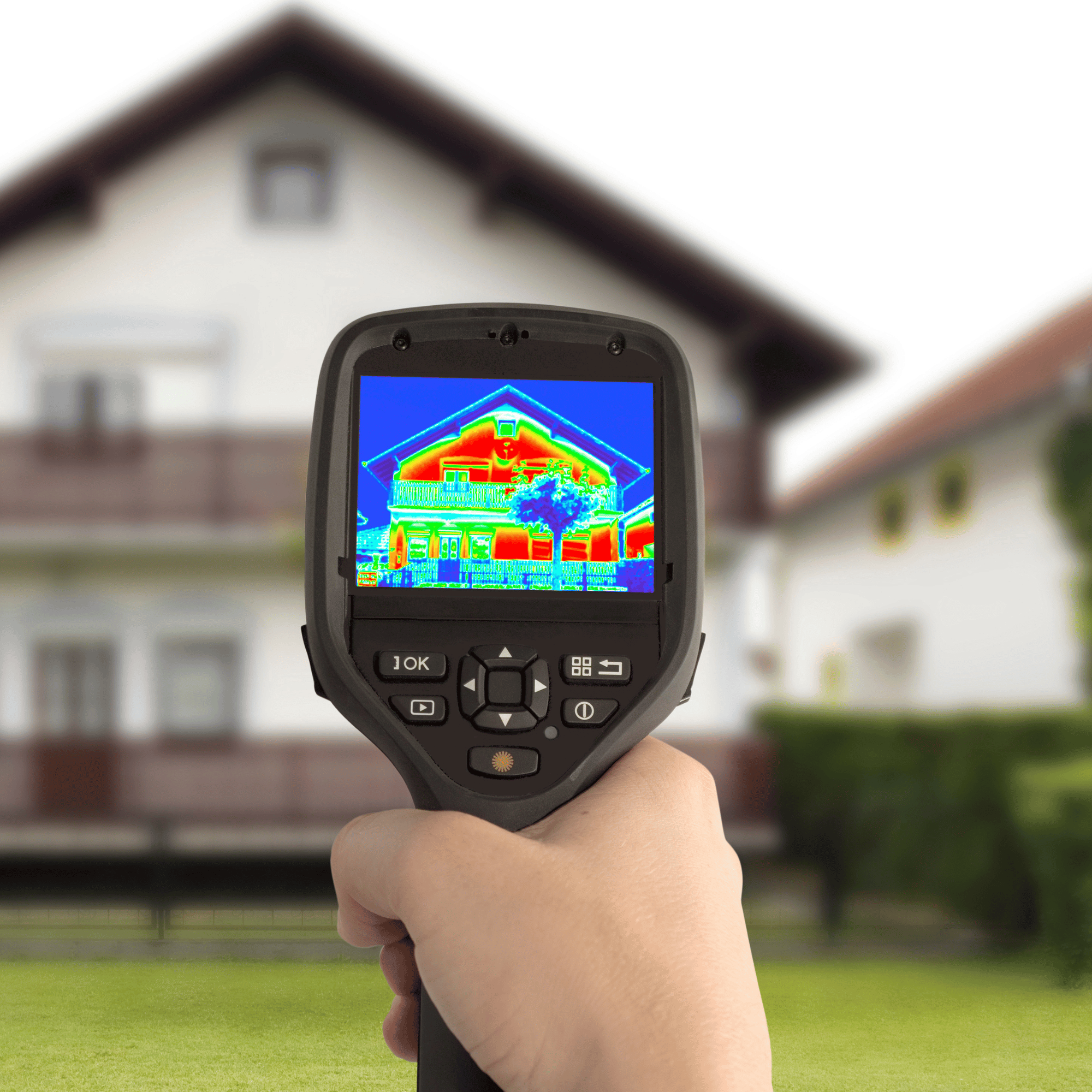
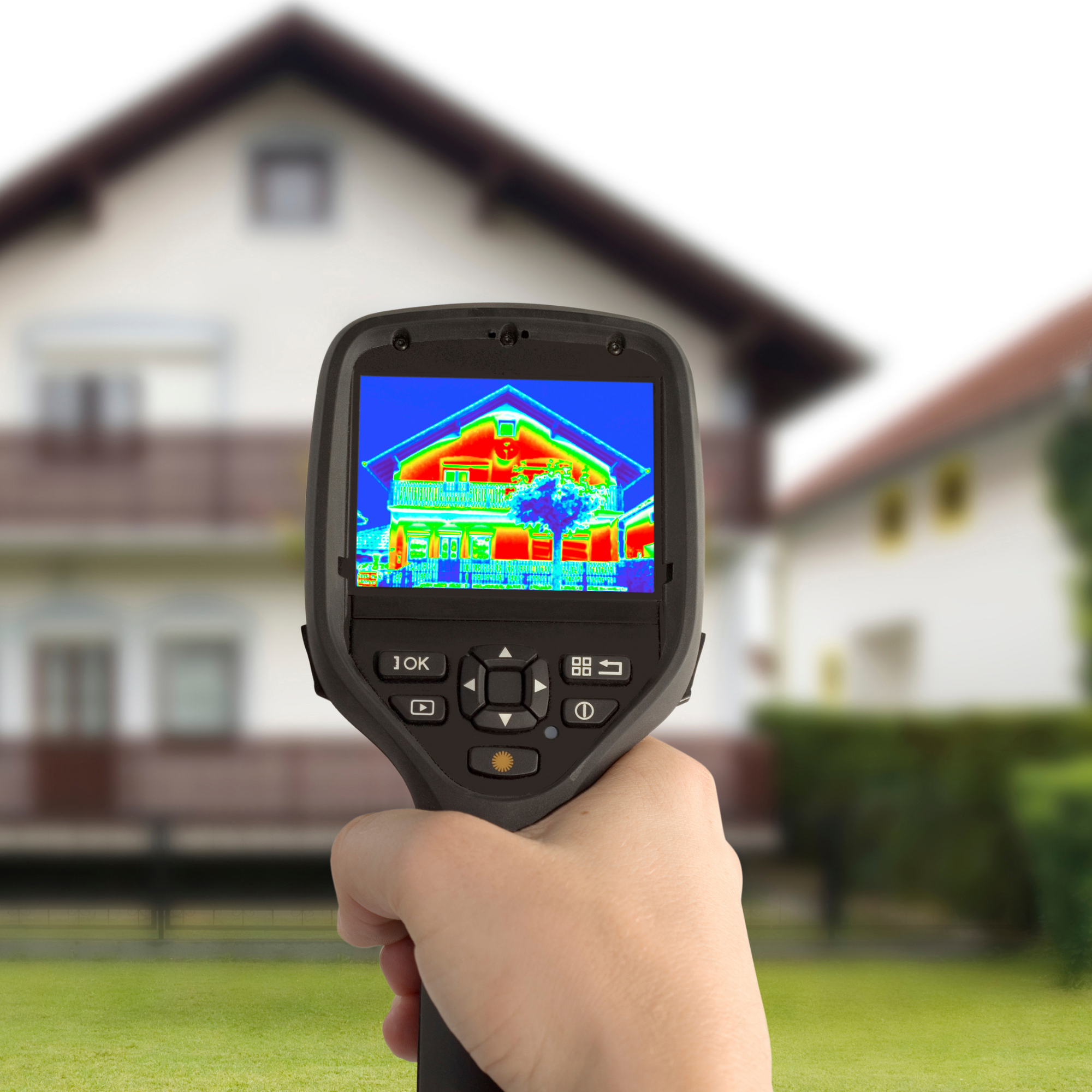
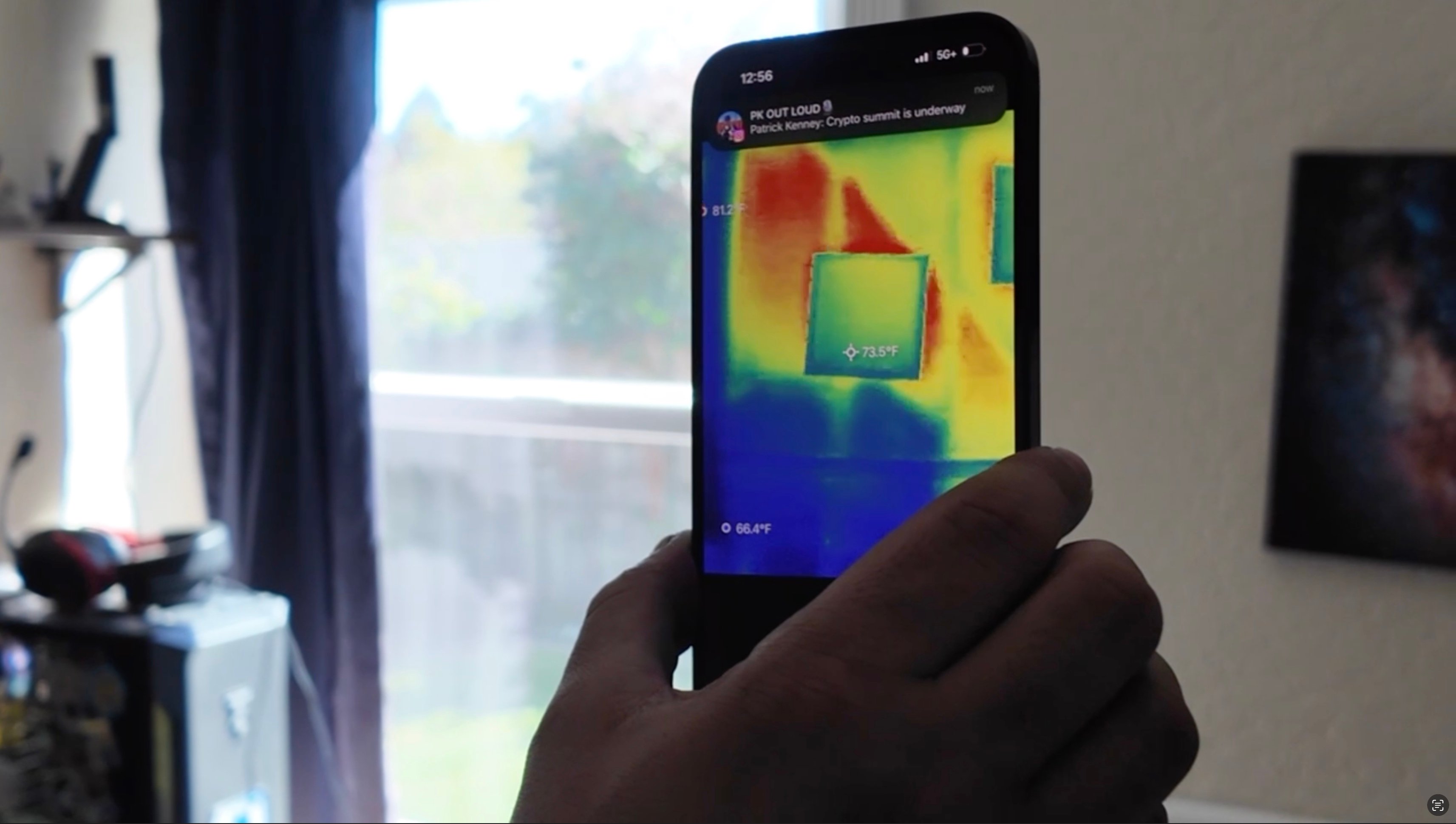
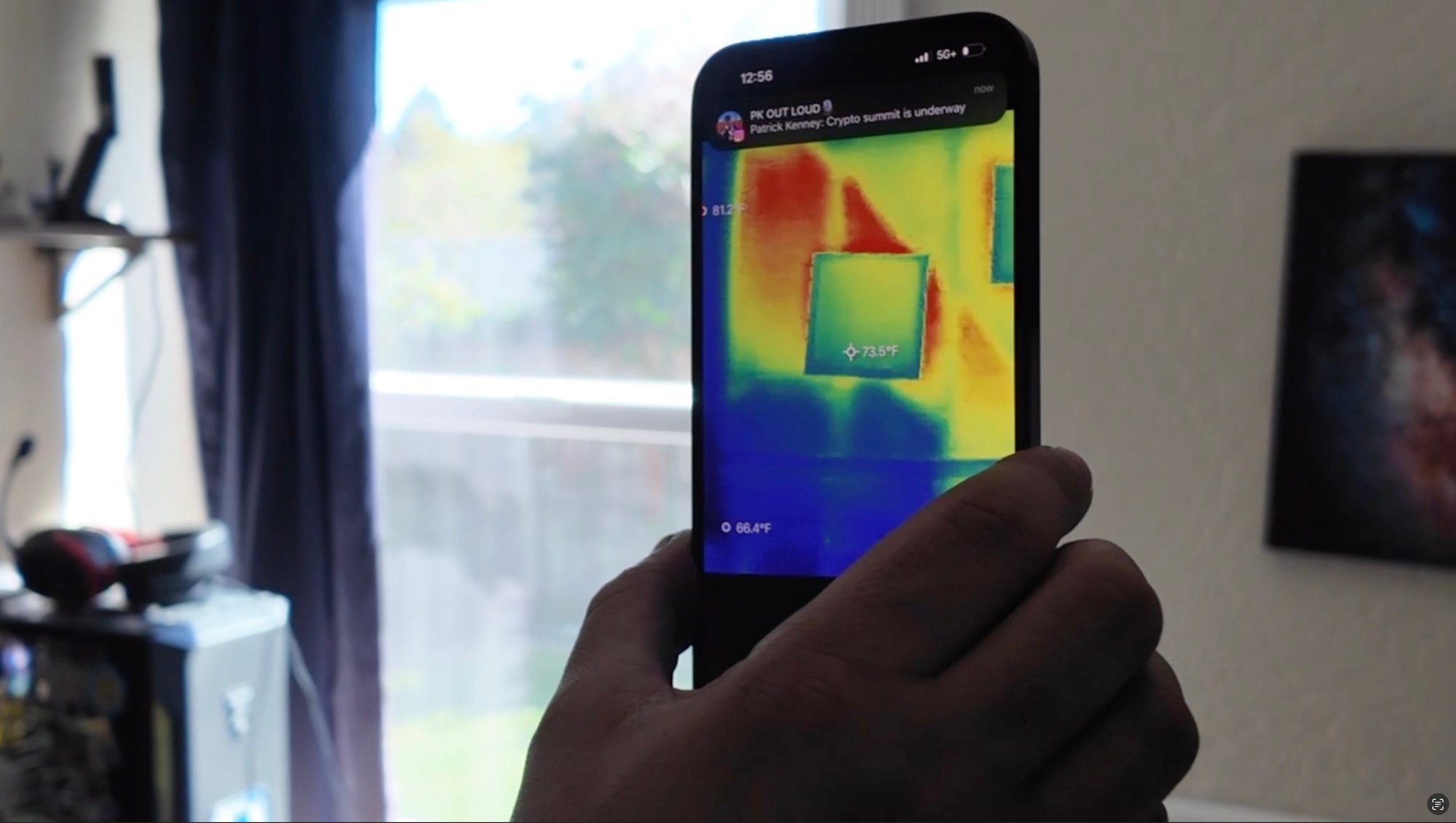
We don't guess. We use thermal imaging to see exactly where your home is losing energy — then we fix it right the first time.


Comfort scan lower qlty

Why Your Home Feels Like This:

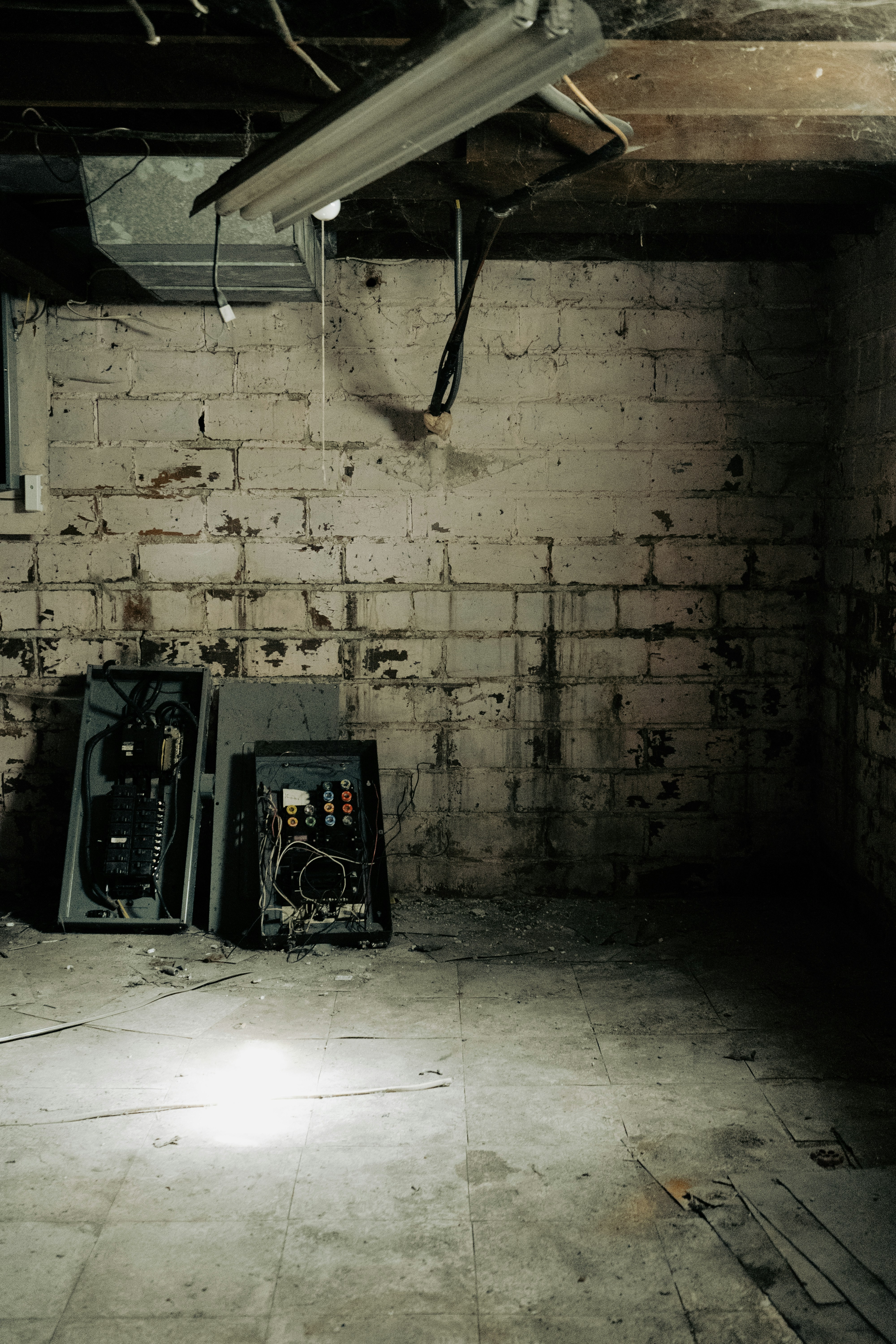
hsinkai-tai-VZlBFulSzAQ-unsplash

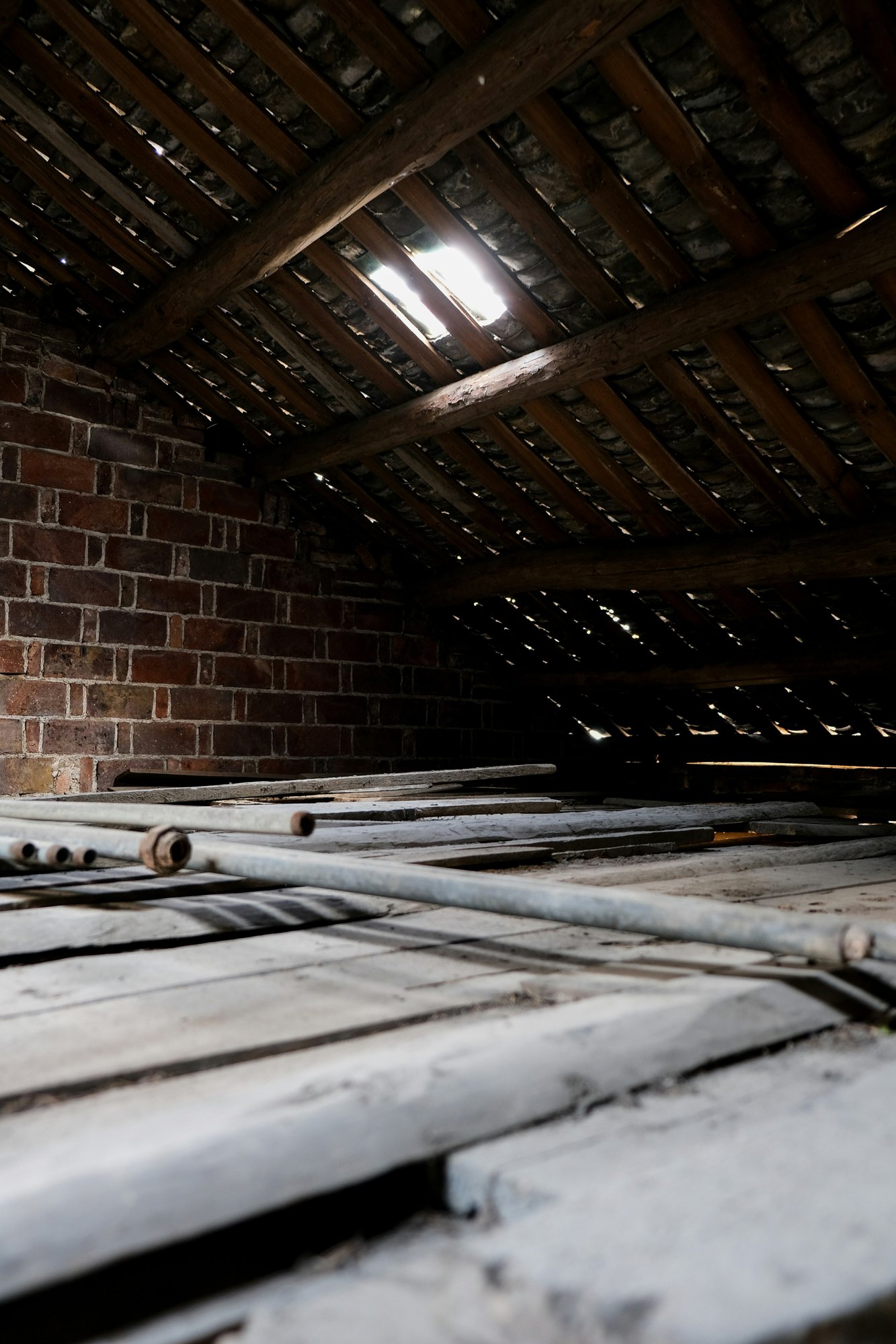
Most insulation companies show up, poke around your attic, and recommend more insulation.

They don't check your walls. They don't inspect your crawl space. They don't seal air leaks. They just pile more insulation on top of the real problem.
 
And six months later, you're right back where you started.
 
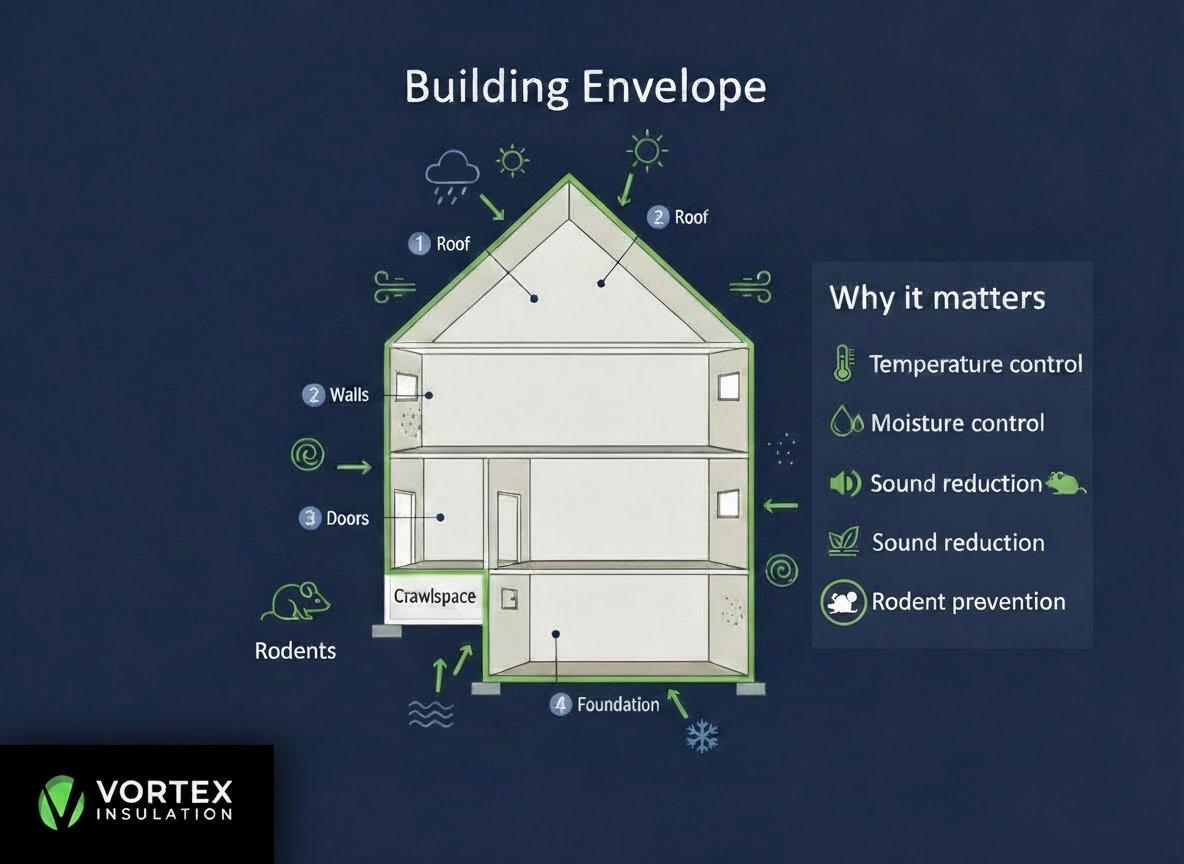
Here's the truth: Your home is a system. The attic, the exterior walls, and the crawl space all work together to create what's called the building envelope — the barrier between the inside of your home and the outside world.
 

When one part of that envelope fails, the whole system breaks down:

  •  Heat escapes through gaps in your attic — your HVAC runs nonstop trying to keep up
  • Cold air leaks through your walls — certain rooms are freezing no matter how high you crank the heat
  •  Moisture rises from your crawl space — you get mold, musty smells, and poor indoor air quality
  •  Rodents find entry points — they chew through insulation, leave droppings, and create even more gaps
Add rodent prevention bullet

The Comfort Scan: A Whole-Home Building Envelope Inspection

We don't just check your attic. We inspect your entire building envelope — the complete system that keeps your home comfortable, energy-efficient, and healthy.
 
Here's what we look at:
  • Temperature Control
  • Sound Control
  • Indoor Air Quality Performance
  • Moisture Control
  • Energy Efficiency
Comfort Scan image-1

1. The Attic (Top of the Envelope)

Using thermal imaging, we scan:
✅ The attic floor — Is insulation missing or compressed? Are there gaps around light boxes, electrical penetrations, and junctions?
✅ The underside of the roof — Is the attic properly ventilated? Is heat escaping through the roof deck?
✅ Air sealing — Are there cracks, gaps, or open chases letting conditioned air escape and outside air (and rodents) in?
✅ Structural issues — Rodent damage, moisture intrusion, improper framing
 
Why this matters: If your attic floor isn't properly sealed, heated or cooled air from your living space rises straight into the attic and out through the roof. Your HVAC runs 24/7, your bills skyrocket, and your system wears out years early.
Image 7-19-25 at 10.22 AM

2. The Exterior Walls (Middle of the Envelope)

We check:
 
✅ Insulation presence and quality — Is there insulation in the walls? Is it installed correctly or sagging and full of gaps?
✅ Air leaks around windows, doors, and penetrations — Are there gaps where outside air and pests can enter?
✅ Thermal bridging — Are studs and framing conducting heat/cold directly through the wall?
✅ Moisture intrusion — Are there signs of water damage, condensation, or mold?
 
Why this matters: Your walls make up the largest surface area of your building envelope. If they're poorly insulated or full of air leaks, you'll have uneven temperatures room-to-room, drafts, and wasted energy — no matter how good your attic insulation is.
sidney-pitzl-QpGsQmpeZ-M-unsplash

3. The Crawl Space or Floor (Bottom of the Envelope)

We inspect:
 
✅ Floor insulation — Is it installed correctly or sagging and falling down?
✅ Moisture and ventilation — Is damp air rising from the crawl space into your home?
✅ Air leaks and rodent entry points — Are there gaps where outside air, pests, or moisture can enter?
✅ Vapor barriers — Is there a proper moisture barrier protecting your floors and keeping humidity out?
 
Why this matters: If your crawl space isn't sealed and insulated, cold, damp air rises into your home. Your floors are freezing. Your HVAC struggles. Mold and mildew grow. Rodents move in. And your family breathes in allergens, dust, and contaminants.
Image 7-19-25 at 10.22 AM

Your Home Is a System — It All Works Together

When we inspect your home, we're not just looking for "where to add insulation." We're looking at how your building envelope is performing as a whole.
 
Because here's the thing: The right insulation in the wrong place doesn't fix anything.
 
•If you add batt insulation to your attic but don't air-seal the floor, heat still escapes through the cracks.
•If you insulate your walls but ignore your crawl space, cold air still rises into your home.
•If you seal your attic but leave rodent entry points open in your eaves, they'll chew right through your new insulation.
 
That's why we start at the top, check the middle, and inspect the bottom. We find every gap, every leak, every entry point — then we build a plan to seal and insulate your entire building envelope so it works together.


Not All Insulation Is the Same — Here's What Works Where

Most homeowners think insulation is just "pink stuff in the attic." But different insulation types solve different problems — and choosing the right one makes all the difference.
 
Here's what we use and why:
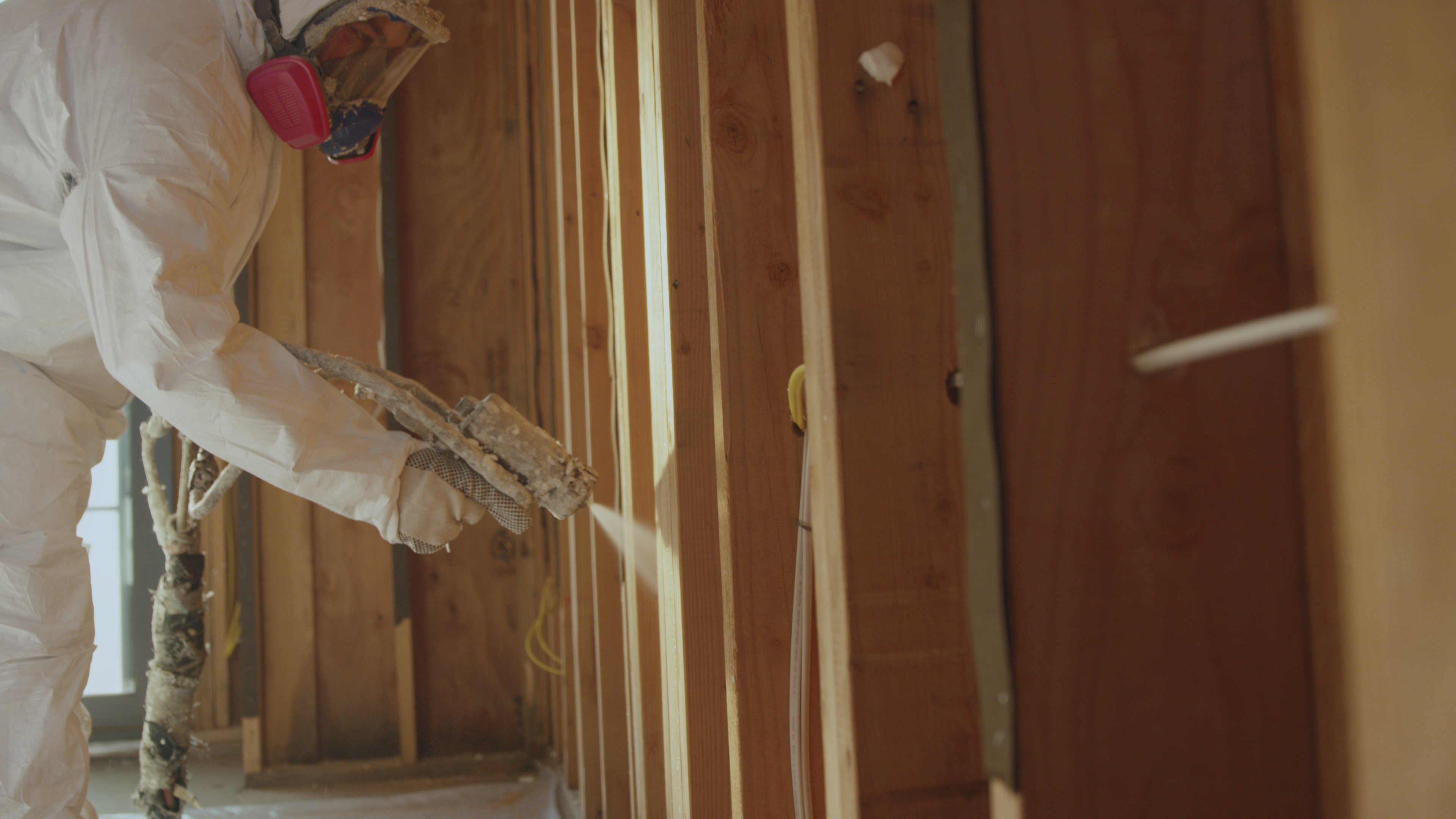
Vortex Insulation sprayer 1

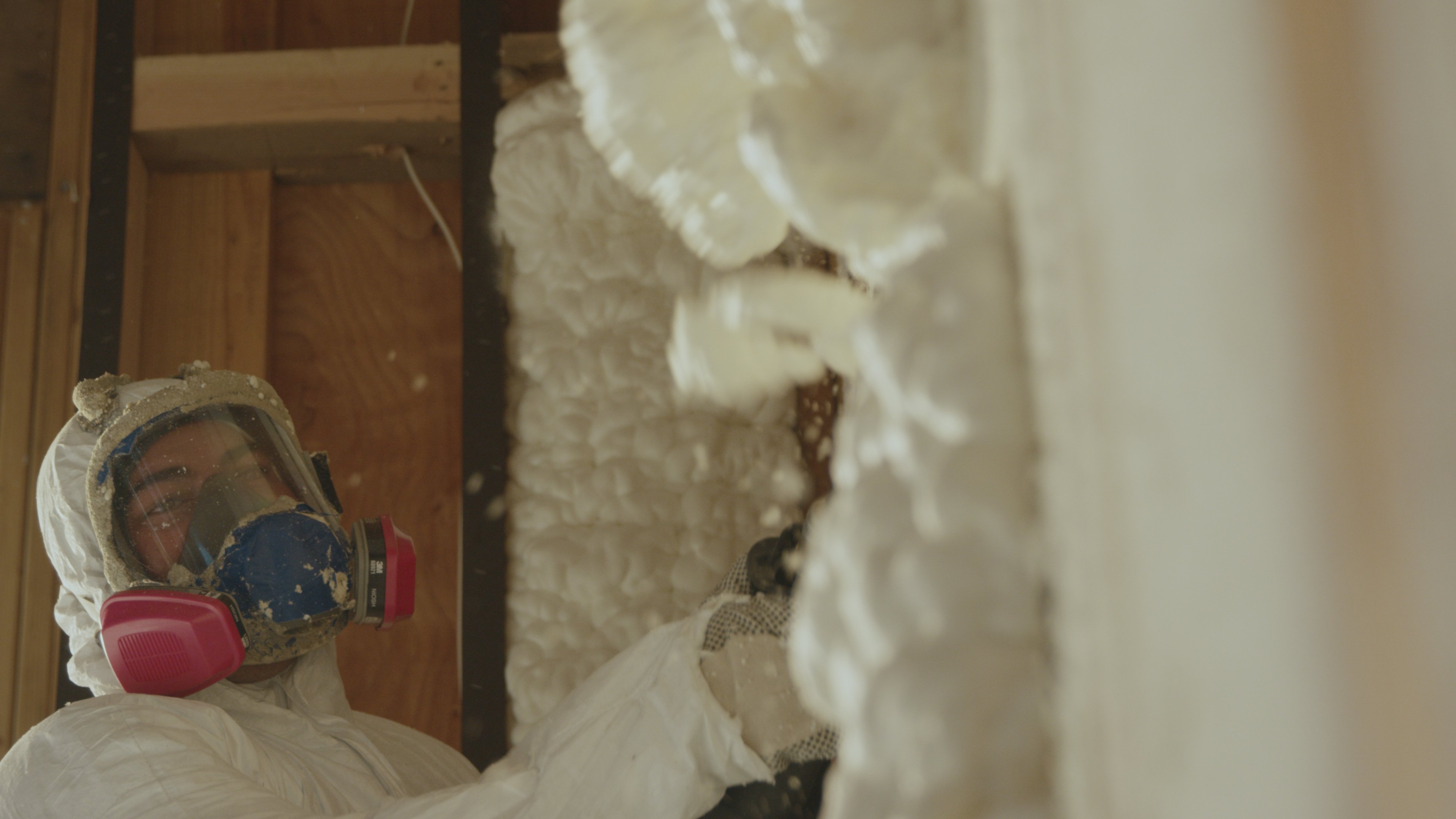
Closed-Cell Spray Foam

Best for: Air sealing, moisture control, temperature control

•Creates an airtight, waterproof seal
•Blocks moisture (perfect for crawl spaces, rim joists, and exterior walls in damp climates)
•Highest R-value per inch (best for tight spaces)
•Stops rodents (they can't chew through it easily)
 
Where we use it: Crawl spaces, rim joists, exterior walls, attic roof decks (when creating a conditioned attic)
Vortex Insulation sprayer 2

Open-Cell Spray Foam

Best for: Air sealing, soundproofing, budget-friendly coverage

•Expands to fill gaps and cracks
•Excellent sound control (great for interior walls, media rooms, bedrooms)
•More affordable than closed-cell
•⚠️ Not moisture-resistant — don't use in crawl spaces or areas prone to water
 
Where we use it: Interior walls, attic floors (in dry climates), between floors for sound control
erik-mclean-aCshJn3y93s-unsplash

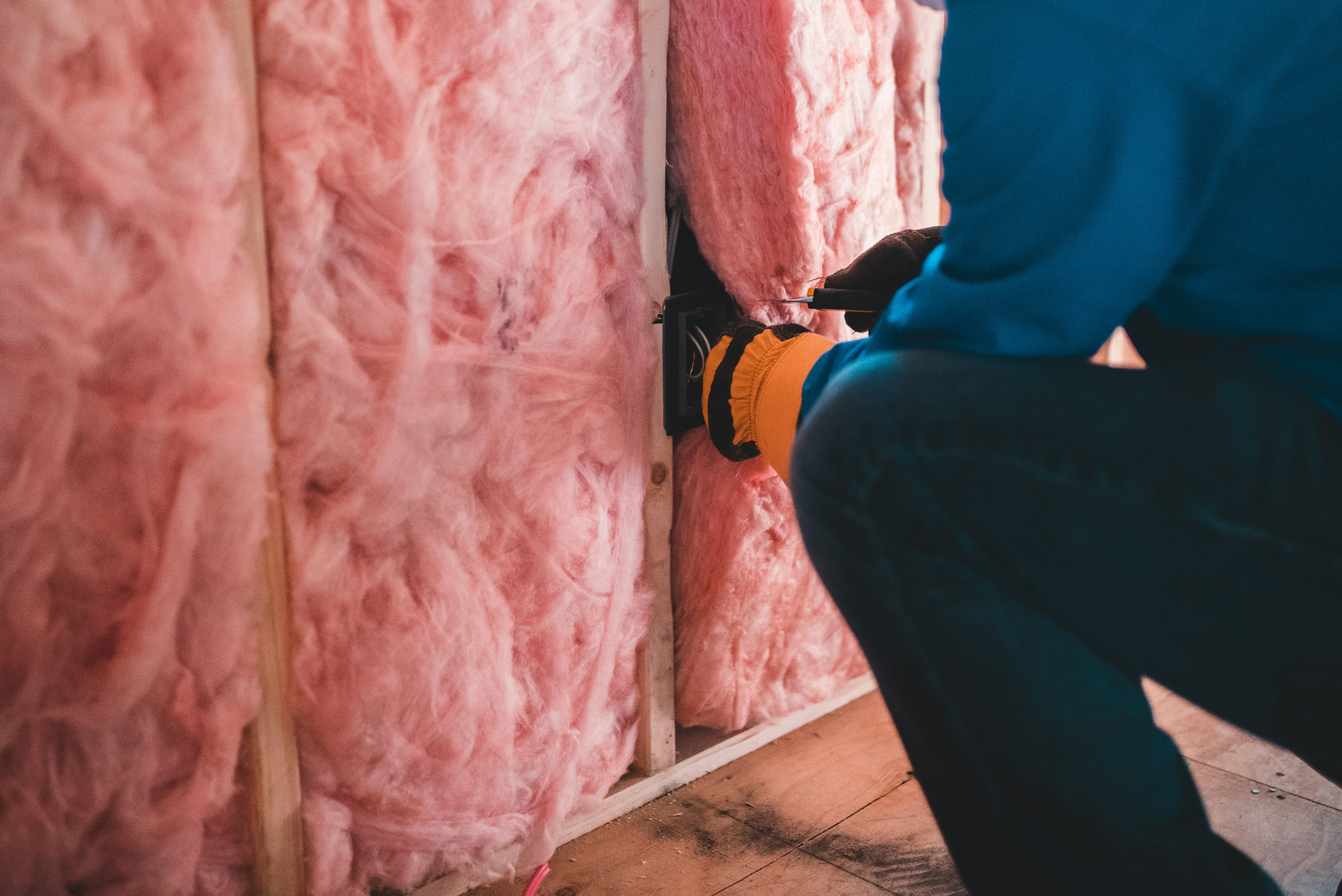
Batt Insulation (Fiberglass)

Best for: Budget-friendly attic floor insulation, wall cavities

•Affordable and effective when installed correctly
•Works well in standard attic floors with proper air sealing
•Easy to replace if damaged by rodents or water
•⚠️ Doesn't air-seal — must be paired with separate air sealing or it won't perform
 
Where we use it: Attic floors (over properly sealed ceilings), standard wall cavities, areas where spray foam isn't needed

Here is how to get started

1. Fill out a quick questionnaire

(5 minutes — tell us about your home and what you're experiencing).

2. Internal reveiw

We review your project and reach out within 24 hours to schedule your free Comfort Scan.

3. Comfort Scan Inspection

We come to your home and perform the thermal imaging scan. We'll show you what's going on and explain what types of insulation and sealing will work best for your building envelope.

4. We deliver a clear proposal.

No jargon. No upselling. Just honest engineering and a plan that makes sense.

Plan Confirmation & Scheduling

After we have our plan set we schedule a time that works for you and set the date for install.

Install Day

Most projects take 1–3 days to complete. Then your home is set for years.

Our Products and Services

1) Old Insulation Removal

We safely remove old, damaged insulation to clear the way for a cleaner, healthier attic or crawl space—and a better-performing new install.

2) Rodent Sanitizing & Prevention

We clean and sanitize contaminated areas, then help prevent rodents from coming back with proven exclusion and protection steps.

3) Spray Foam Insulation

High-performance spray foam air-seals and insulates in one step for better comfort, indoor air quality, and energy efficiency.

4) Batt Installation (Fiberglass, Cellulose & Mineral Wool)

Professionally installed batts deliver reliable thermal and sound control—ideal for walls, floors, and hard-to-reach framing bays.

5) Drill & Fill (Existing Walls)

Add insulation to existing walls with minimal disruption using drill-and-fill methods that boost comfort without a full remodel.

6) Blown-In Insulation

Fast, even coverage for attics and open cavities—blown-in insulation fills gaps to reduce drafts and improve efficiency.

20+ Years of Experience.

Licensed, Insured, and Built for the Long Haul.

•Founded in 2017, with over 20 years of combined team experience

•Trusted by general contractors across the Bay Area for new construction and remodels

•Comfort Scan technology: infrared thermal imaging that shows you the truth

•We don't just install — we engineer solutions that last

Start your comfort scan today.